Overview
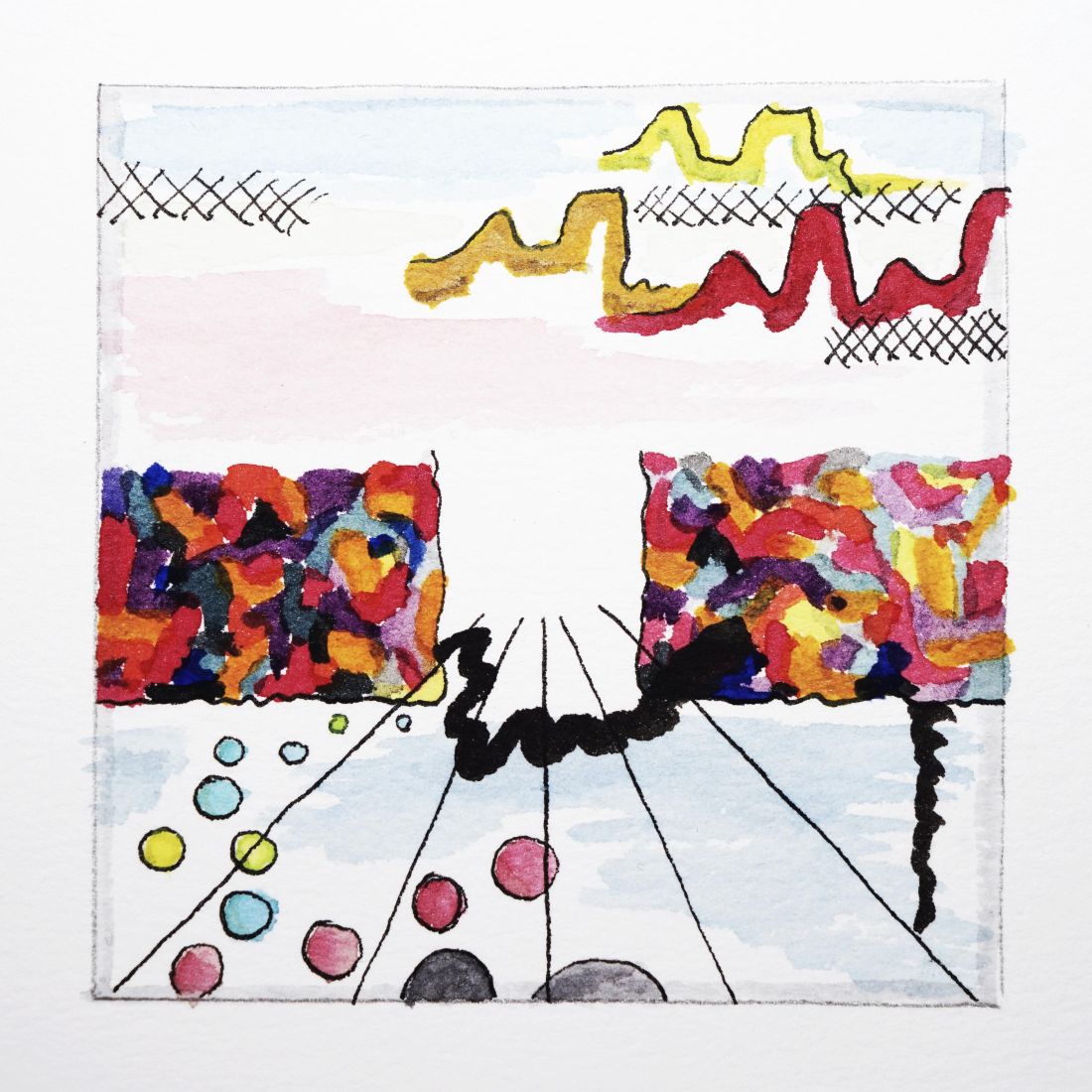
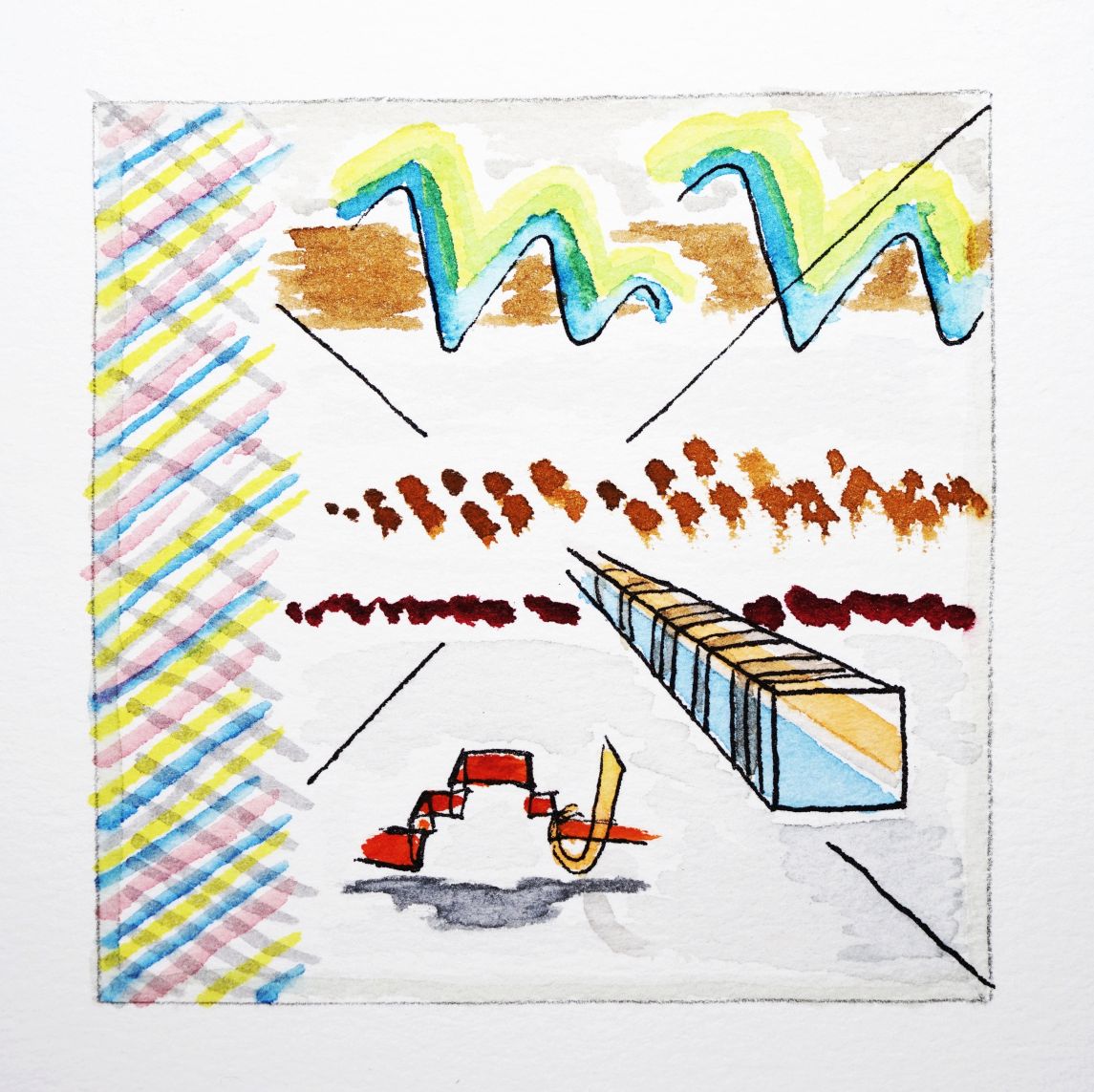
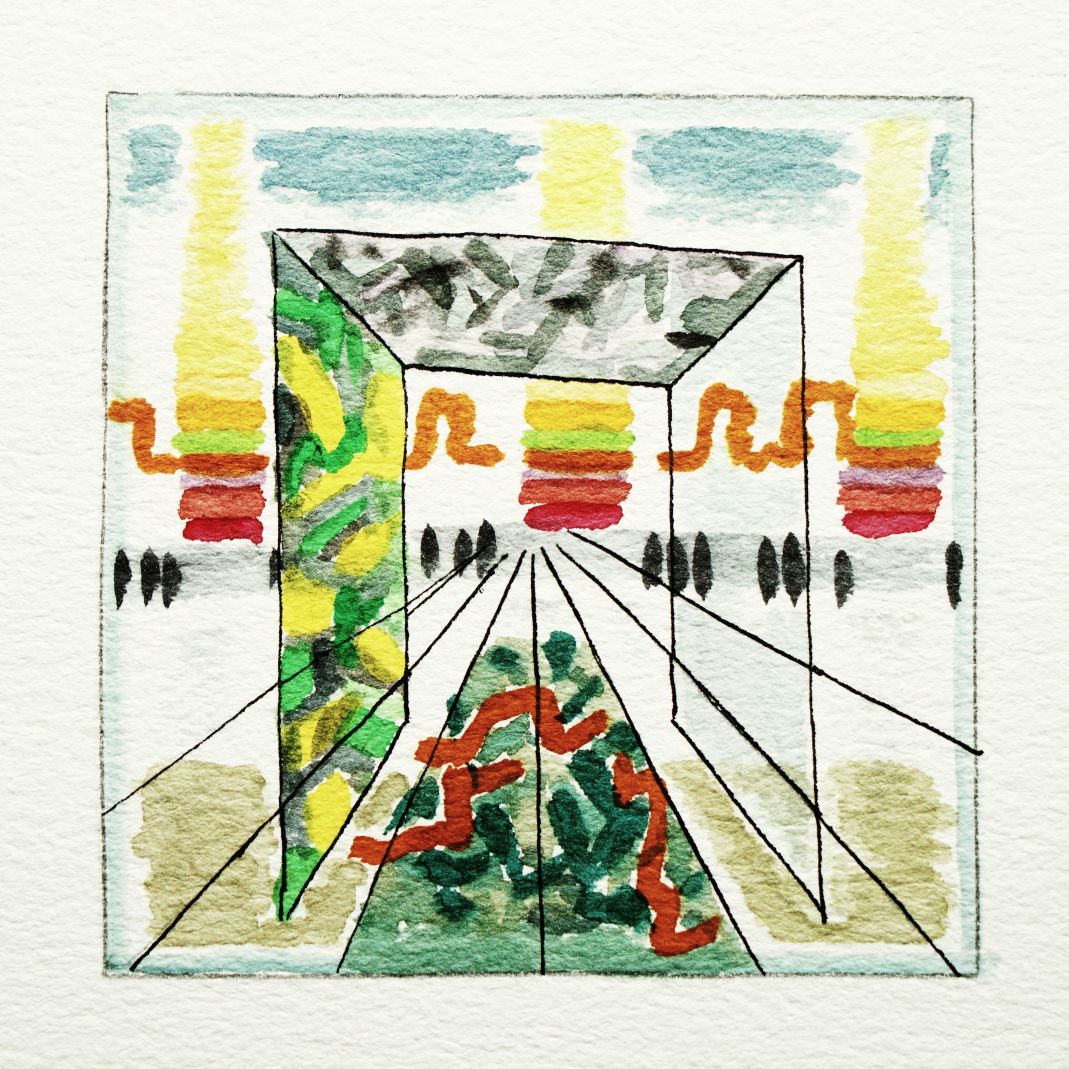
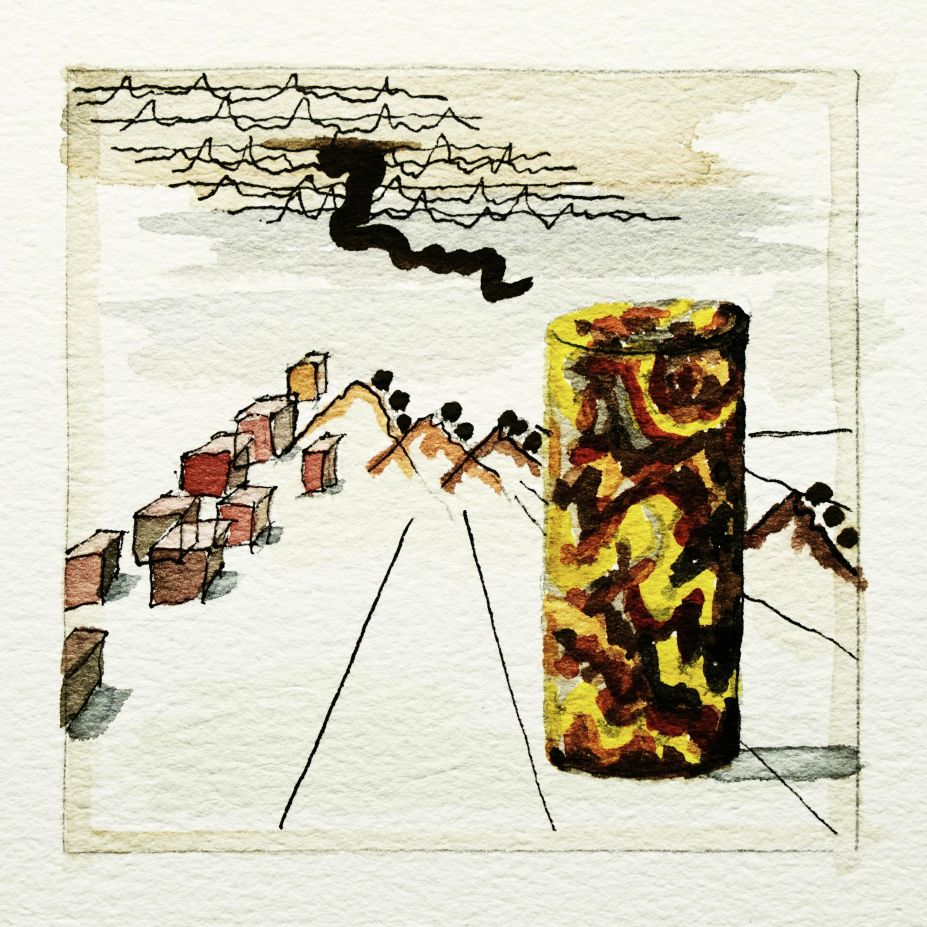
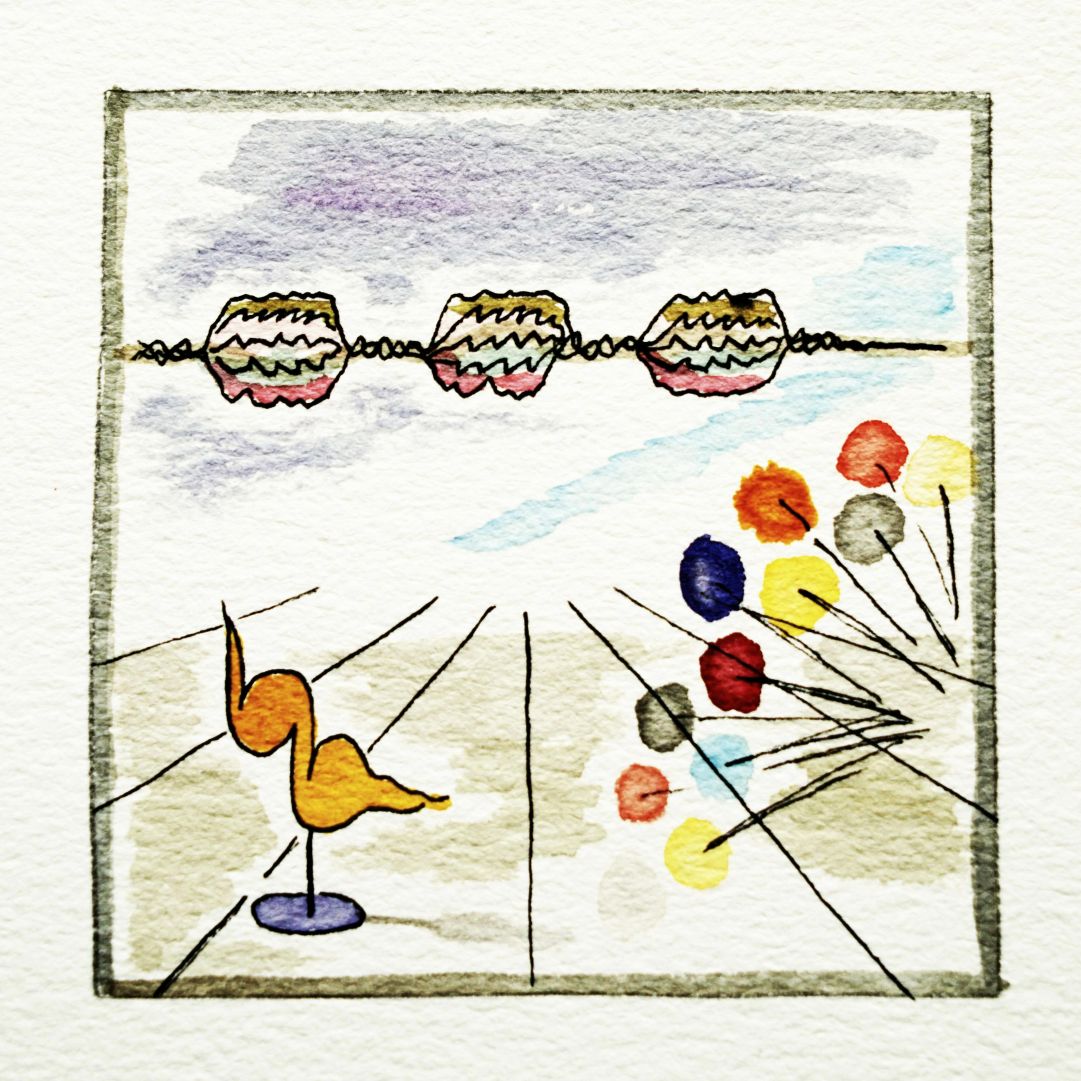
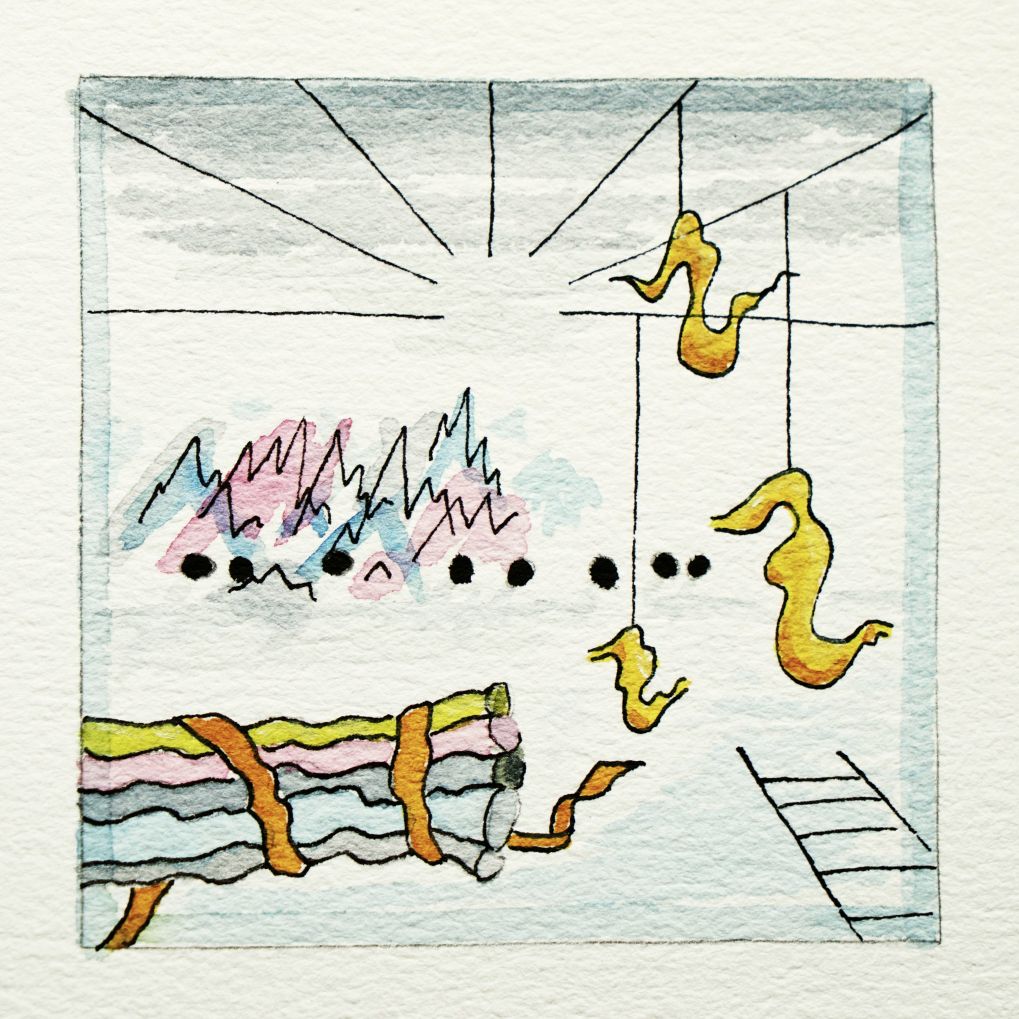
Michael Haverkamp: Six Little Images of Six Little Symphonies by Darius Milhaud
This project deals with development of paintings, which use synesthetic imaginations as basic elements of artistic configuration. It is based on my subjective experience, evoked by listening to the chamber symphonies by Darius Milhaud (1892-1974).
8x8cm (framed 17x17cm) – watercolor, pencil, ink – 2018
Darius Milhaud composed the little Symphonies de Chambre between 1917 and 1923. Each symphony consists of three movements. The instrumentation varies between mixed chamber orchestra (1-3), tentet of strings (4), tentet of wind instruments (5), and vocal quartet in combination with oboe and cello (6). Those colorful pieces imply a revolution of symphonic compositions, in radical contrast to the history of symphonic music from the 18th to the beginning of the 20th century. During those centuries, the development of symphonies showed a continuous increase in instrumental and temporal effort. A summit was reached with Anton Bruckner’s and Gustav Mahler’s symphonies (e.g. Mahler’s 8th Symphony of a Thousands, duration some 80min, premiered in 1910), and Richard Strauss’ Eine Alpensinfonie (premiered 1915, duration around 50min, optimum number of instruments: 129). Milhaud’s pieces contribute to a sharp turnaround, leaving the inflated effort of mammoth orchestras far behind. This is in line with other composers like Arnold Schönberg, Anton Webern, and Igor Strawinsky (with his Symphonies of Wind Instruments) who tried to reduce the scope of instruments and duration of symphonic music. Later on, Milhaud himself returned to a more classical extent with further 12 orchestral symphonies.
With total durations of four to eight minutes, Milhaud’s chamber symphonies are extremely short. The performance is based on a small number of instruments. No. 6 includes a vocal quartet. Main motifs sound folklike with frequent use of folk-dance rhythms. Musical patterns, however, exceed traditional tonality to form bi- and polytonal structures as well as modal soundscapes. The first auditory impression, however, is misleading: the little symphonies appear to be highly complex, with surprising changes of timbre and contrapuntal details.
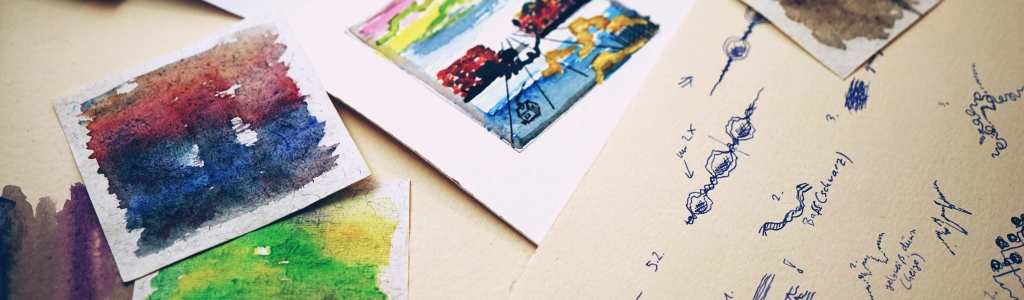
My depictions are based on fragments of synesthetic images. They occur during listening to the recording of soloists and chorus of the Capella Cracoviensis, conducted by Karl Anton Rickenbacher in 1991. The use of different instruments provides a rich variation of timbres. In my impression, this causes a variety of colors, forms and spatial configurations. Due to the complexity of the music, it would not be possible to precisely transfer the music into the image note by note. Furthermore, this proceeding would not fulfill artistic demands on creative treatment of daily life experience. Therefore, the pictures use just fragments of my impressions as base element, which are freely arranged within a new environment, thus interacting with a spatial configuration as well as with free associations. Everything is subject to simplification and compression. Minimalism of the images thus corresponds to the supposed simplicity of the symphonies.
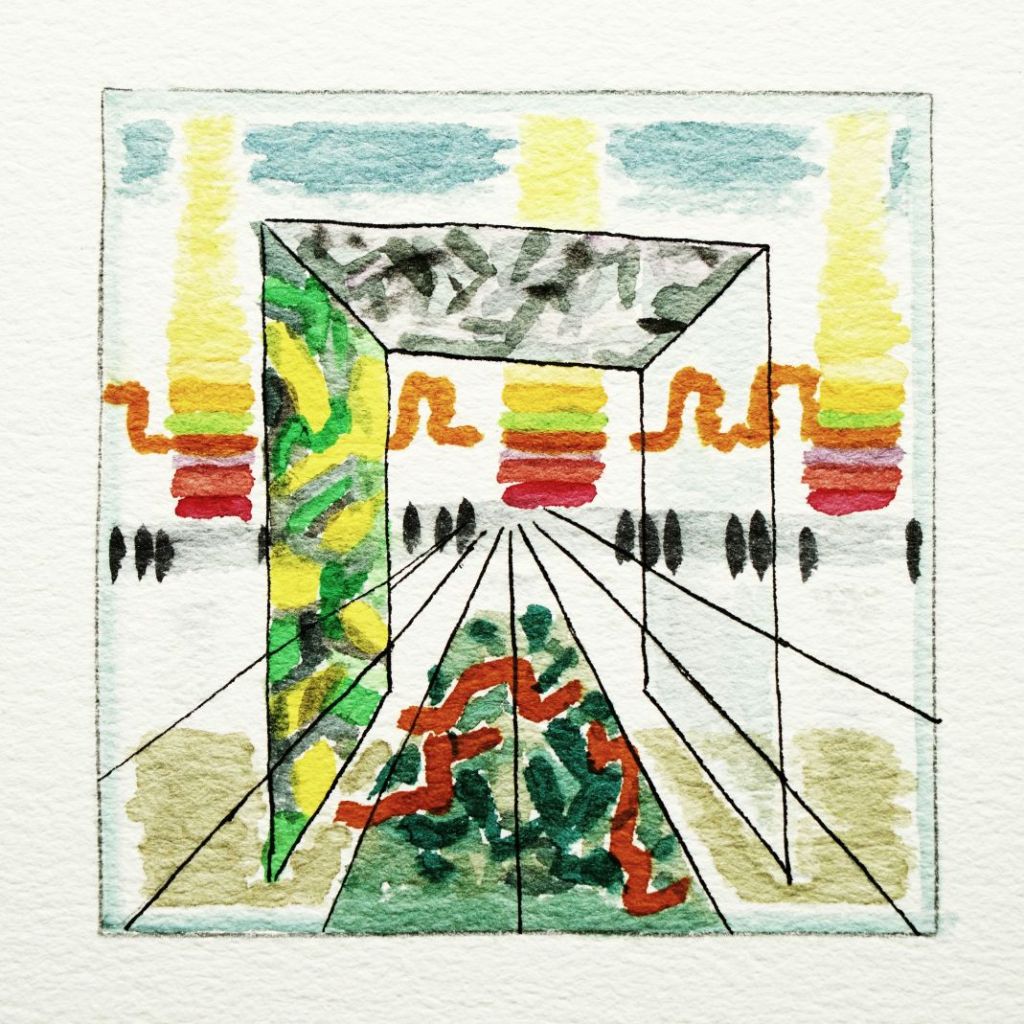
Symphonie de chambre No. 1 “Le printemps”, Op. 43 (1917)
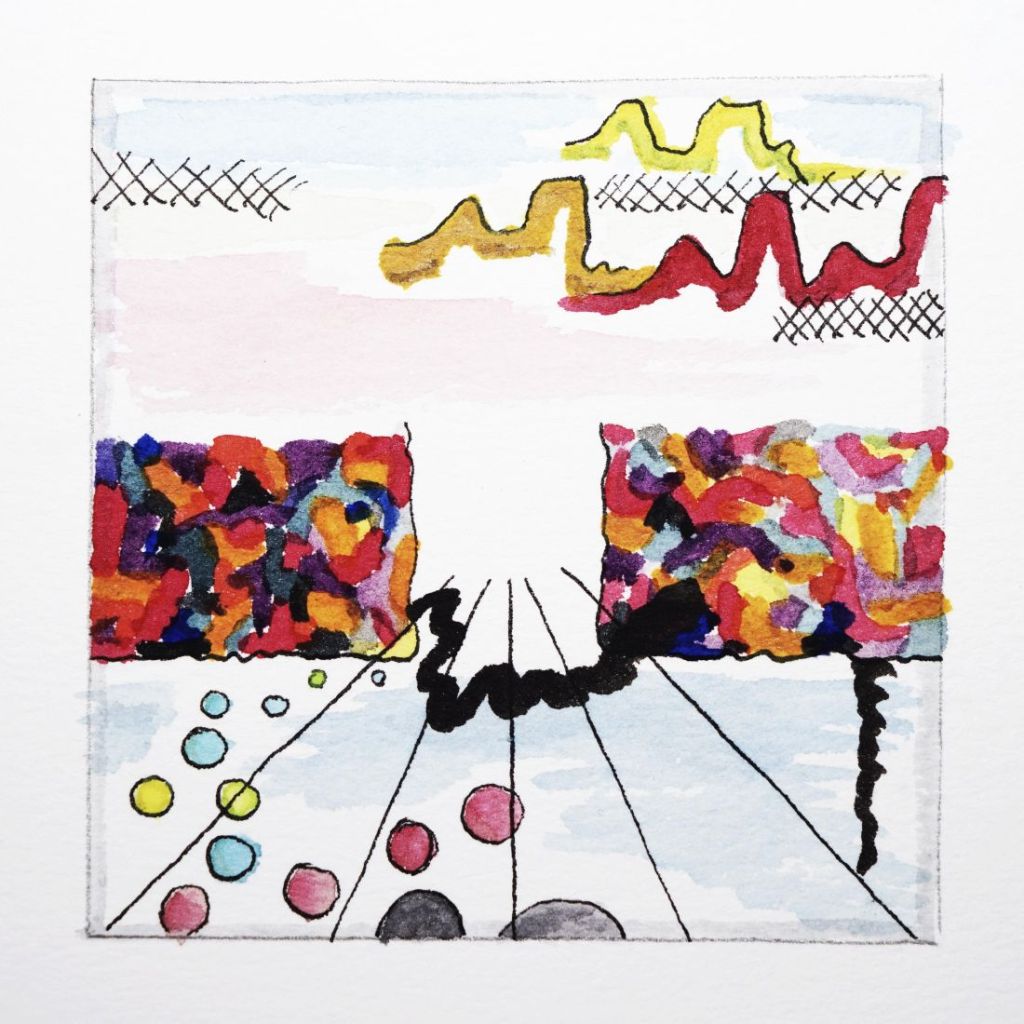
Symphonie de chambre No. 2 “Pastorale”, Op. 49 (1918)
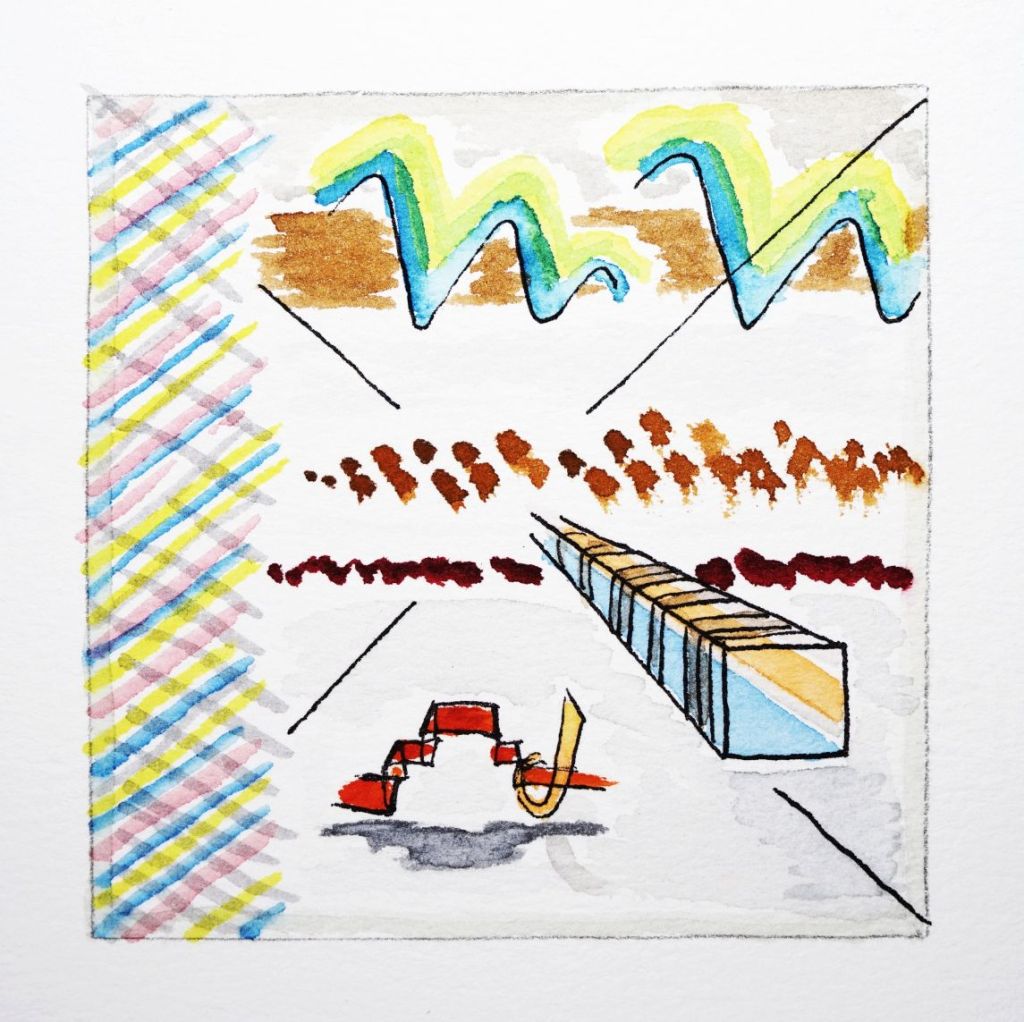
Symphonie de chambre No. 3 “Sérénade”, Op. 71 (1921)
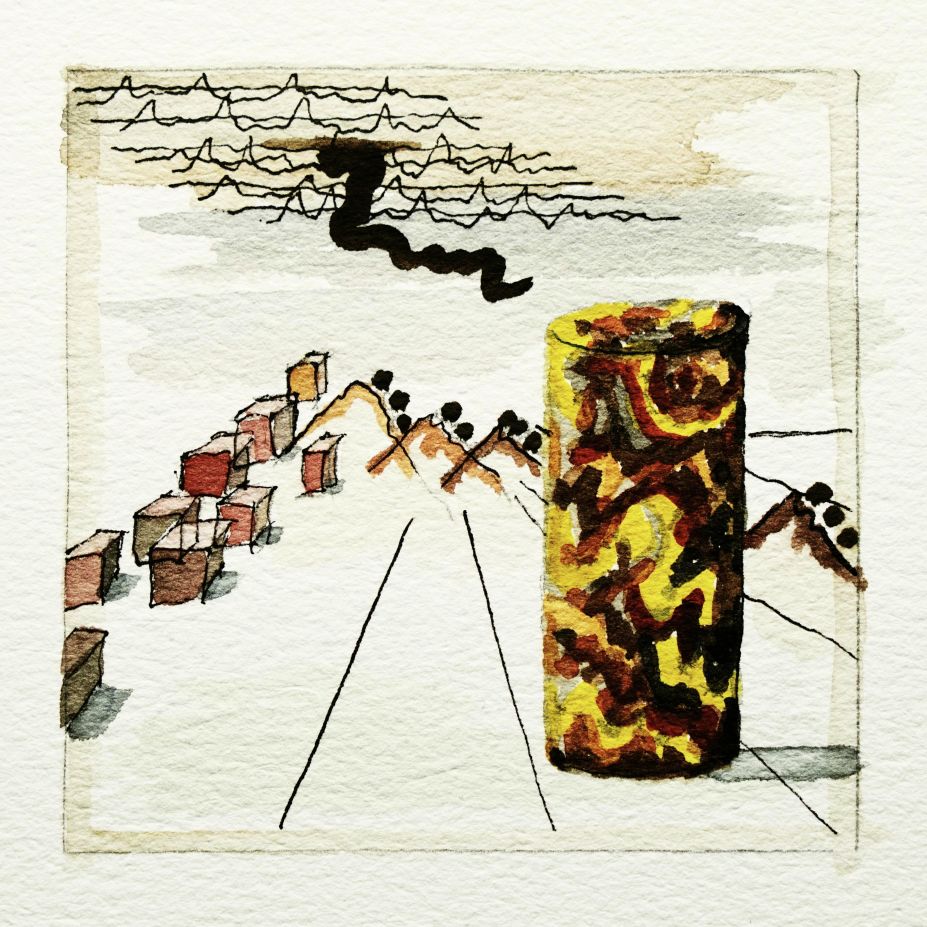
Symphonie de chambre No. 4 “Dixtour”, Op. 74 (1921)
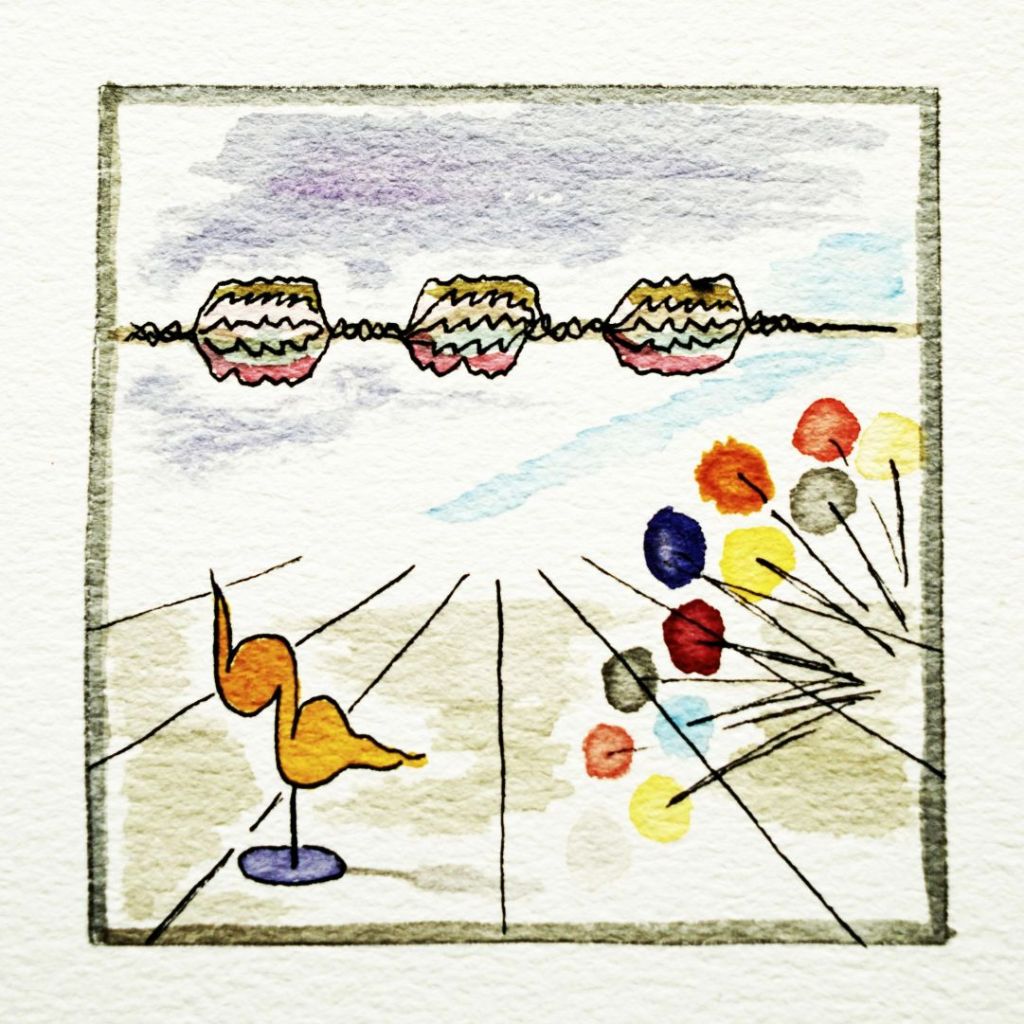
Symphonie de chambre No. 5 “Dixtuor d’instruments à vent”, Op. 75 (1922)
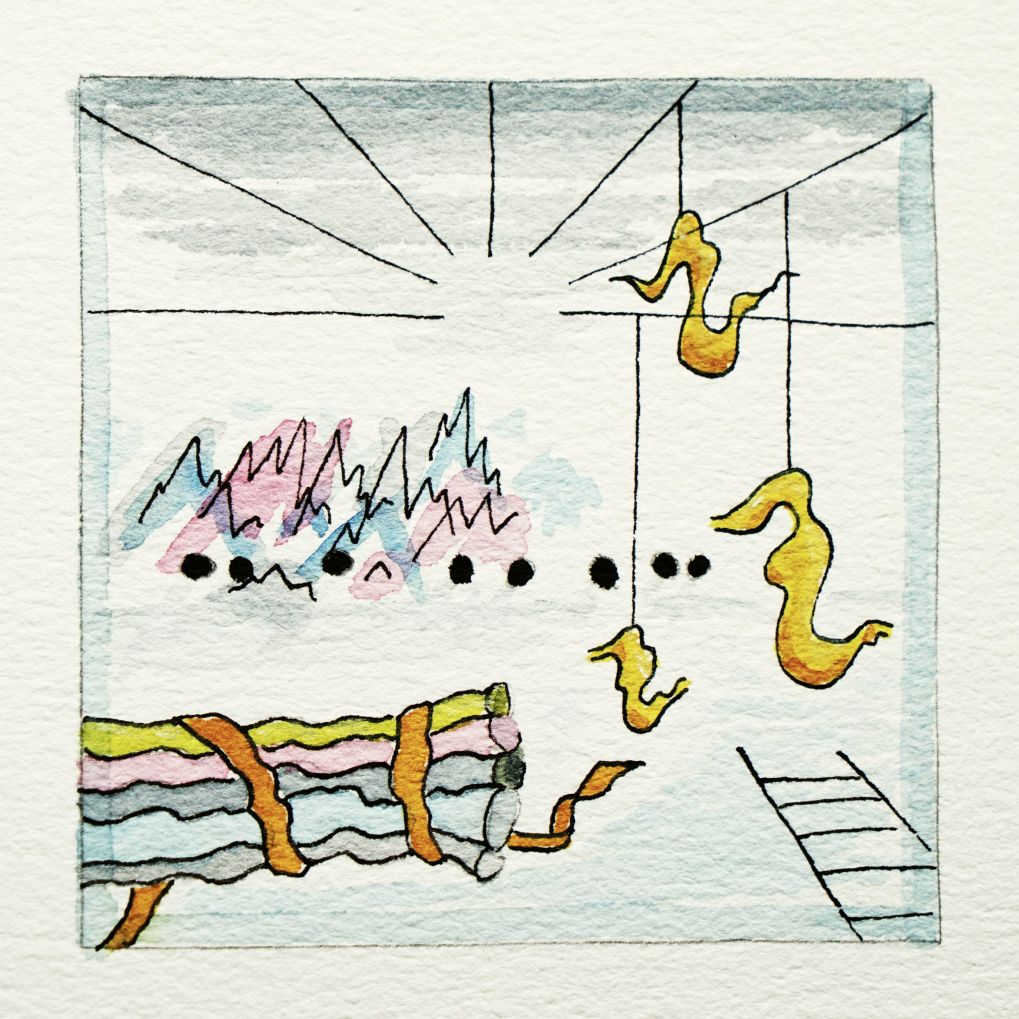
Symphonie de chambre No. 6, Op. 79 (1923)

