Music Excerpts and Visual Elements of Music
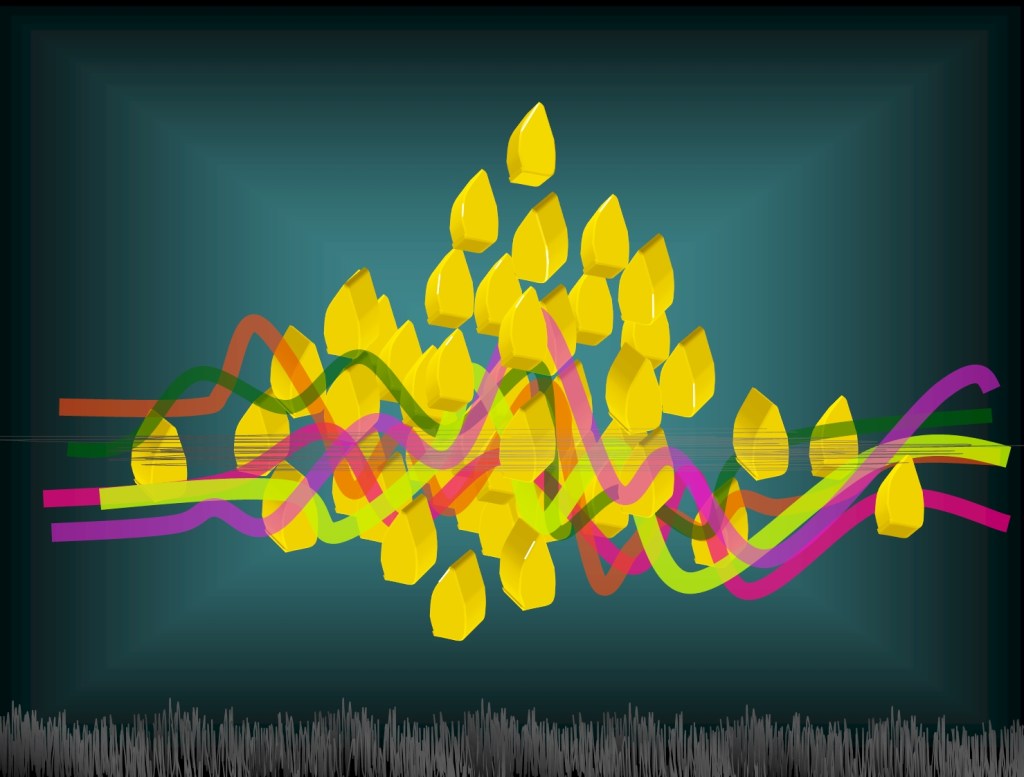
“Spem in Alium” by Thomas Tallis is composed as a 40-part (!) motet with sequences where polyphonic structure dissolves into pure harmony, leaving twinkling fragments of melody.
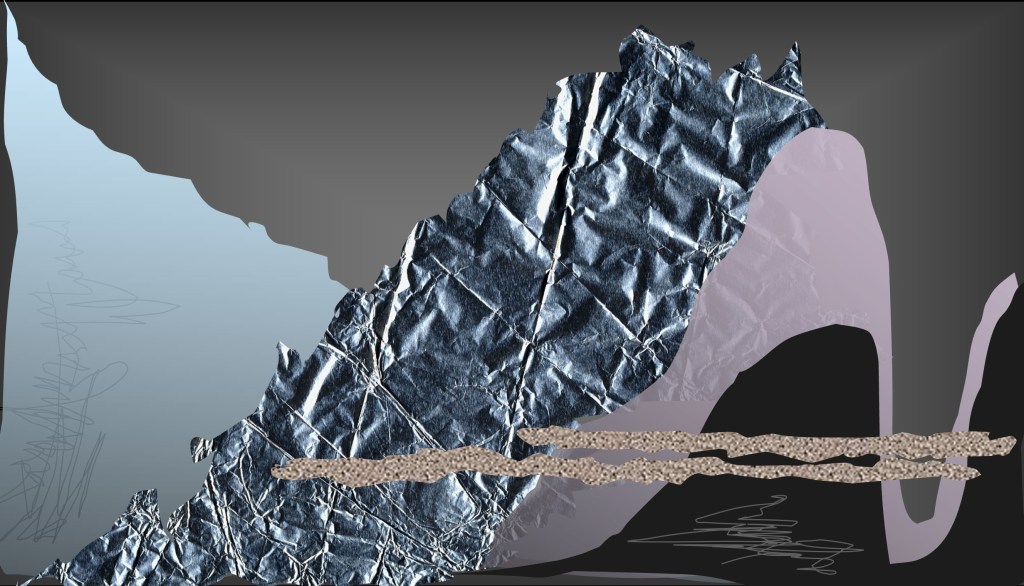
While remembering Ligetis composition “Lontano”, its complex, micro-polyphonic structures compress to a landscape-like image with various textures.
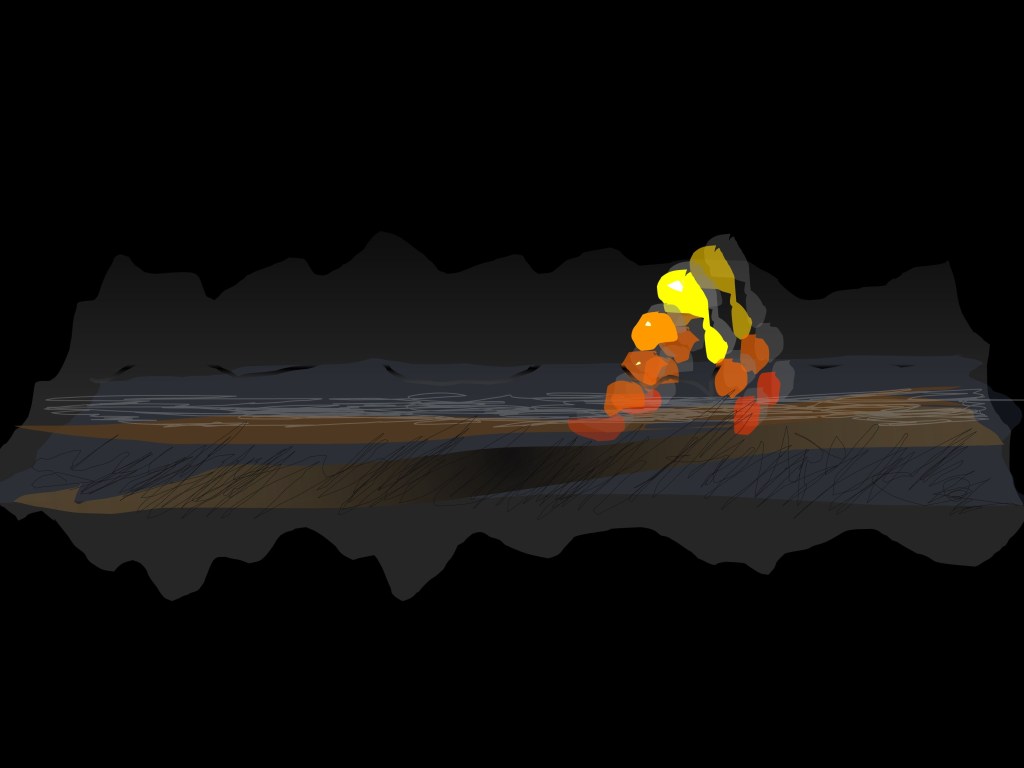
Piano motif from Franz Schubert’s song „Die Stadt“ [The town], lyrics by Heinrich Heine, included into the song cycle „Schwanengesang“ D.957 XI.
![Michael Haverkamp: Music Graphics of the sound of a singing bowl [Klangschale] from Nepal, 2003.](https://michaelhaverkamp.de/wp-content/uploads/2026/06/michael-haverkamp-sound-of-a-singing-bowl.jpg?w=927)
Sound of a singing bowl.
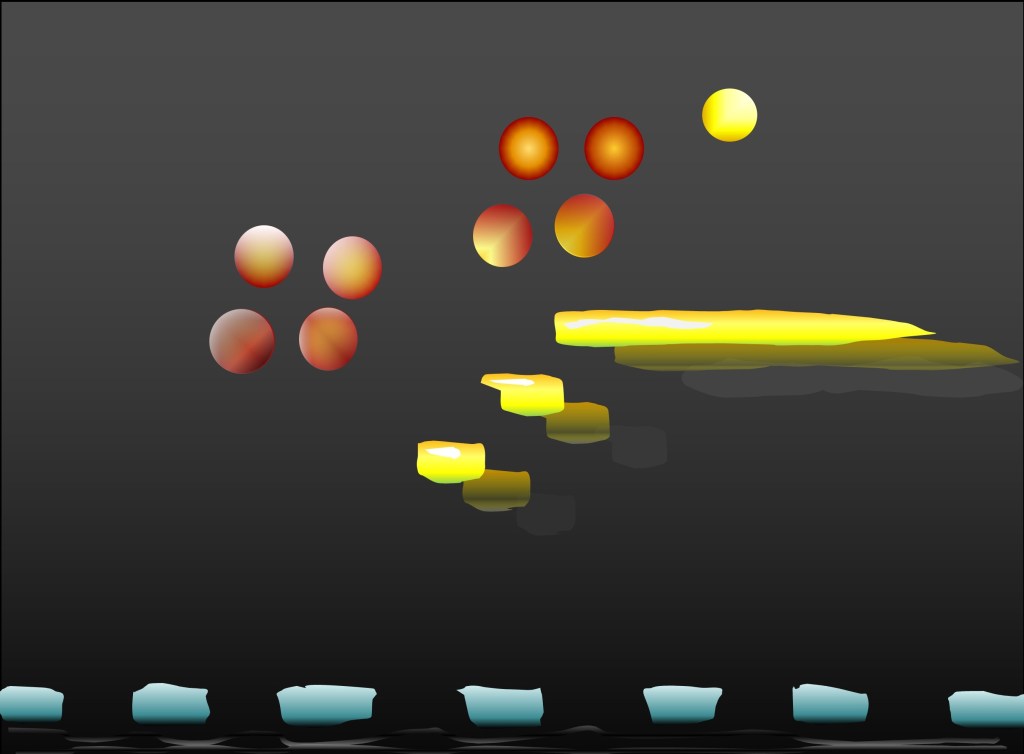
“silent end” music graphics referring to sounds of single instruments – celesta, trumpet, timpani, against a background of pianissimo strings – at the end of Dmitri Shostakovich’s symphony no. 4, C minor.

Music graphics of a sequence in Shostakovich’s symphony No. 10, 3rd movement.
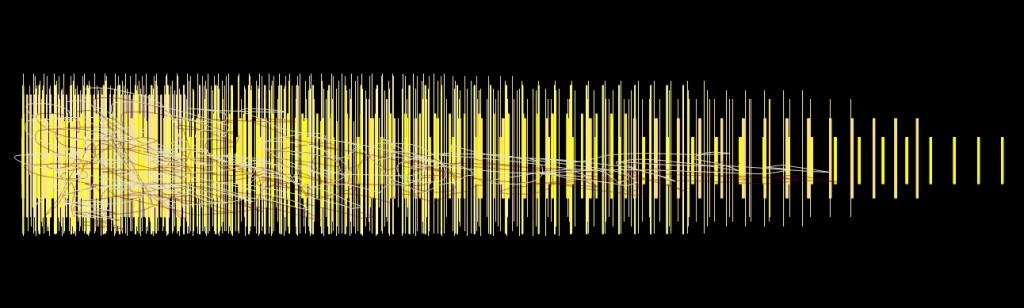
Music Graphics simplifying “Poème Symphonique for 100 Metronomes” by György Ligeti
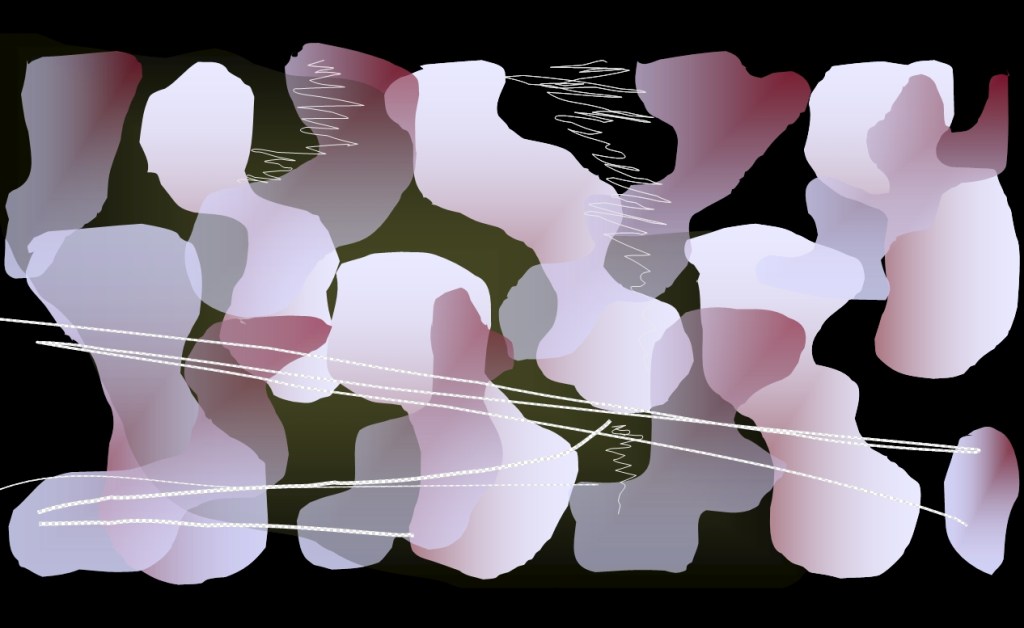
A comprehensive image of Perotin’s famous piece „viderunt omnes“ showing the architectural characteristics of this early polyphonic music, which also for this reason is rightly classified as “Notre-Dame-style”.
Color-Tone Relations
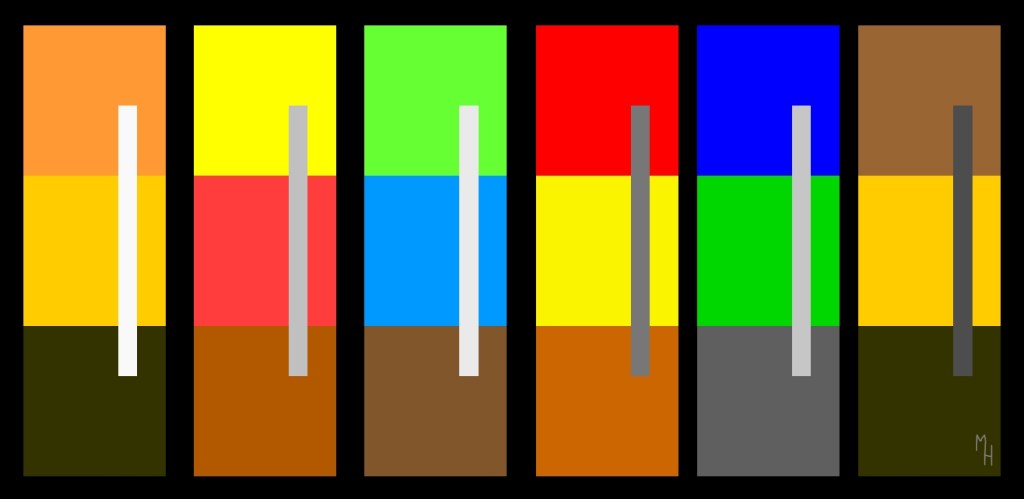
Perceived main colors of the timbres of solo instruments in Johann-Sebastian Bach’s 6 concerts “Brandenburgische Konzerte.”
Graphics based on Spectrograms
![Michael Haverkamp: Music Graphics of "Farben" [colors] from 5 pieces for orchestra, op. 16, by Arnold Schönberg. Visualization based on mathematic-physical transformation performed by a sound-analysis software.](https://michaelhaverkamp.de/wp-content/uploads/2026/06/michael-haverkamp-schonberg-colors-1.jpg?w=1024)
Arnold Schönberg’s piece “Farben” [colors] as 3rd movement of his op.16 has been characterized as “musical pointillism.” Physical sound analysis clearly shows the audible dotted structure.
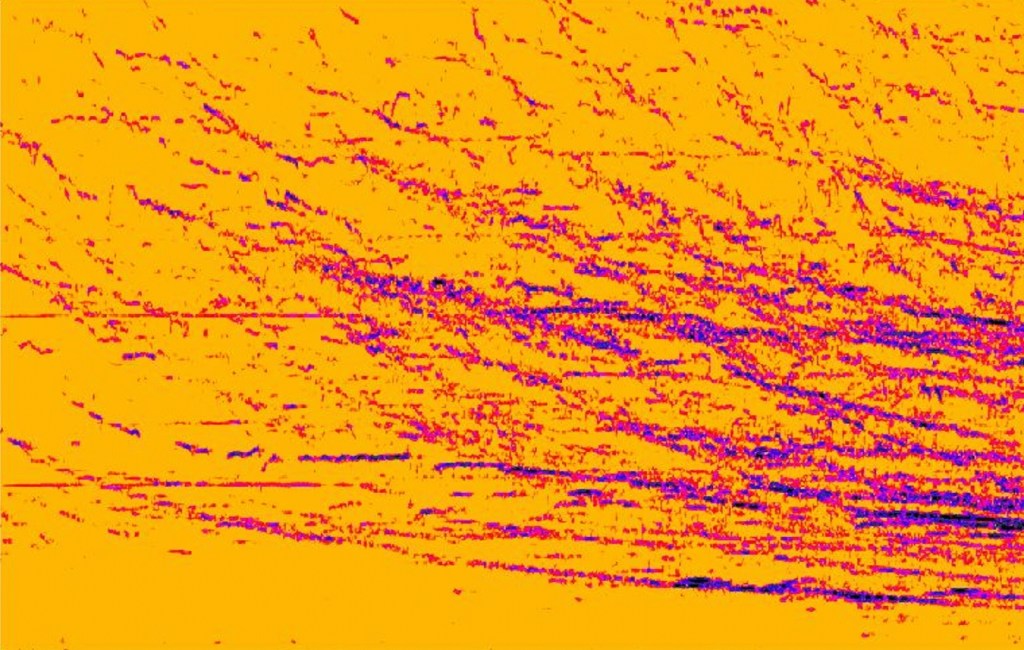
Orchestral glissando from the 1st Symphony by Krzysztof Penderecki. Continuously decreasing pitch evokes an illusion of infinite downward movement, based on the principle of the Shepard scale.
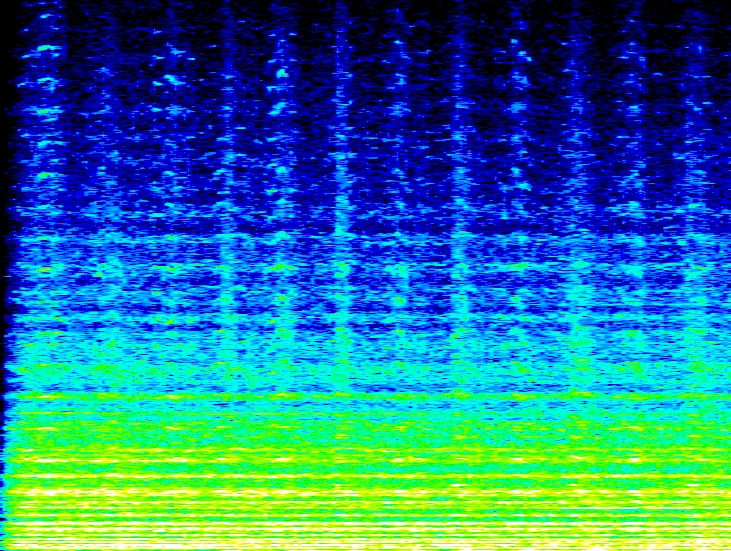
A musical carpet or a landscape? An graphic depiction of the musical background of the scene “Einzug der Götter in Walhalla” in the finale of the music drama “Das Rheingold” by Richard Wagner.

